Scams and impersonation
Learn how to recognise AI-driven phishing, voice cloning, urgent payment tricks, and other messages that try to rush or pressure you.
Cybersecurity Advisor
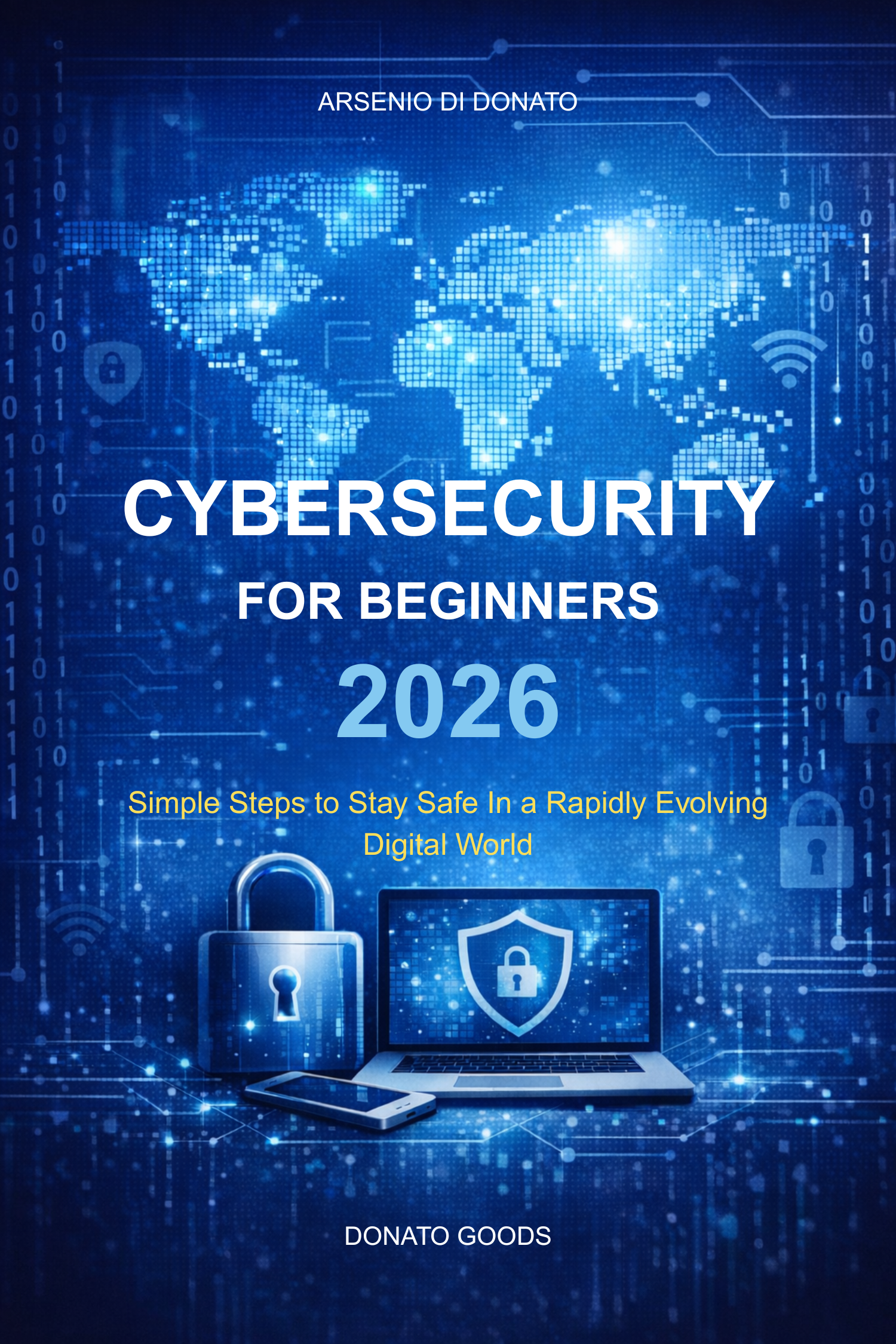
Cybersecurity for Beginners 2026 is an annually updated ebook written in plain English for ordinary people. It helps readers stay safer online without technical jargon, costly add-ons, or panic-driven advice.
Why It Exists
This site exists to share the ebook, offer free membership for readers who want updates, and publish regular cybersecurity advice that helps people make safer decisions online.
Inside The Book
The book focuses on the biggest cybersecurity threats in 2026 and gives readers realistic steps they can use right away. The tone is calm, practical, and designed for people who simply want to stay safer online.
Learn how to recognise AI-driven phishing, voice cloning, urgent payment tricks, and other messages that try to rush or pressure you.

Understand strong passwords, password managers, passkeys, email account protection, and the simple habits that reduce account takeover risk.

Get straightforward advice on locking down devices, browsing more safely, reducing tracking, and choosing useful security tools.
Recommended VPN
A VPN is not a cure-all, but it can add a useful layer of privacy on public Wi-Fi, while travelling, or when you are using networks you do not fully trust. If readers want one straightforward option, NordVPN is the service highlighted here.
Annual Edition
Cybersecurity changes quickly. The ebook is updated each year, while the site keeps publishing timely guidance on scams, online privacy, password safety, safer devices, and practical tools readers can use in the meantime.
Free Book
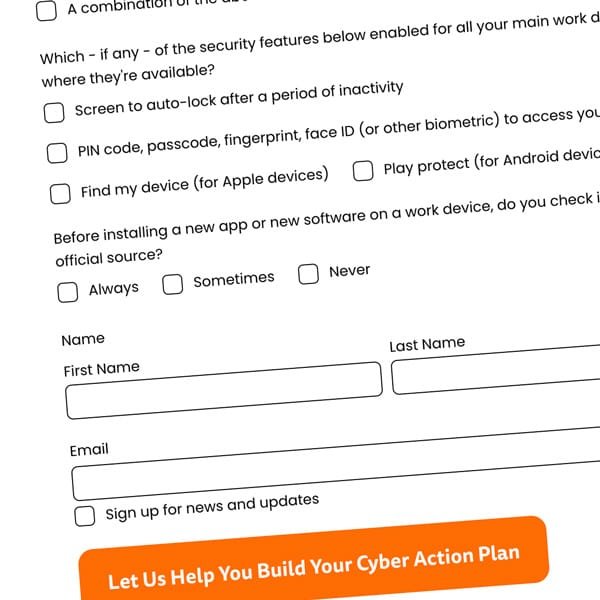
Fill in the form below to receive Cybersecurity for Beginners 2026. You will get the ebook by email and be taken straight to the download page, with optional free membership updates afterwards.
This annual guide is written for people who use the internet for banking, shopping, work, family life, and everyday tasks, and want straightforward protection advice that feels sensible.
The ebook covers today's common online threats, practical ways to protect devices and accounts, safer browsing habits, and tools that work quietly in the background without demanding constant attention.
Latest Guidance
Alongside the annual ebook, Cybersecurity Advisor publishes practical updates that keep readers informed as online risks evolve. These posts stay useful, readable, and grounded in everyday situations.
Posts that explain current phishing, impersonation, payment, and refund scams in a way readers can recognise quickly.
Guidance on passwords, passkeys, two-factor authentication, email security, and simple ways to avoid account takeovers.
Advice on safer browsing habits, cookie choices, device protection, and tools that help people stay safer online day to day.